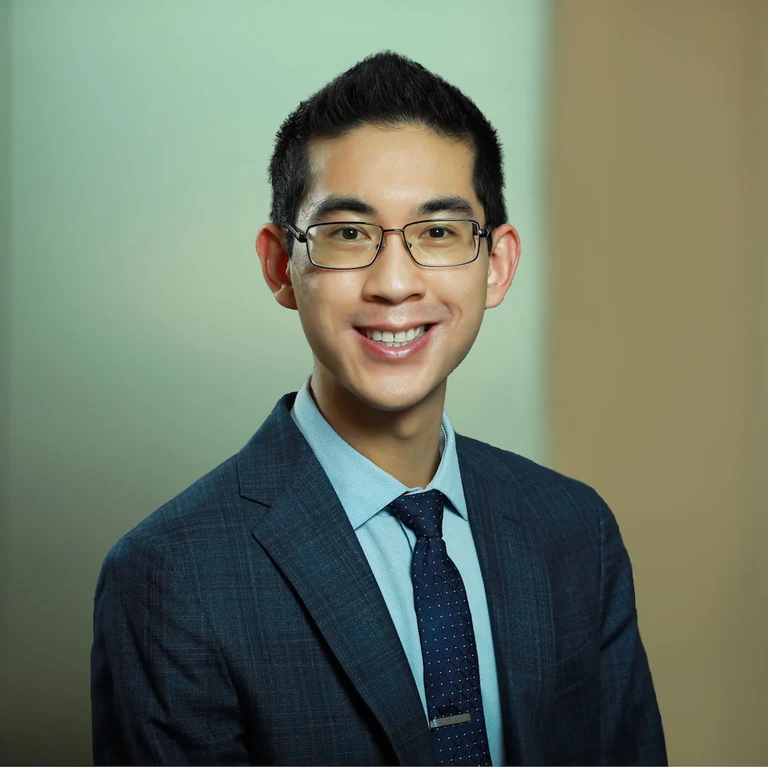
Ryan Cheung, DO
Neurologist, Vascular Neurologist, and Neurohospitalist
Ryan Cheung, DO, is a Dallas-based neurologist board-certified in Neurology and Vascular Neurology. His clinical practice focuses on acute stroke, vascular neurology, hospital-based neurologic emergencies, and other acute neurologic care.
Dr. Cheung serves as Stroke Medical Director at a Comprehensive Stroke Center and has more than six years of independent clinical practice. Through Crux Neurology, PLLC, he provides independent medical record review, standard-of-care and causation analysis, neuroimaging review, and expert testimony for attorneys and other professional organizations.
Clinical Practice
Dr. Cheung practices primarily in the acute hospital setting, where neurologic decisions often must be made with incomplete information and under significant time constraints for emergent neurologic treatments.
His work includes the evaluation and management of acute ischemic and hemorrhagic stroke, large vessel occlusion, seizures, status epilepticus, hypoxic-ischemic brain injury, central nervous system infection, intracranial hypertension, spinal cord emergencies, acute neuromuscular disorders, and other high-acuity neurologic conditions.
Stroke remains the central focus of his clinical practice. His work includes acute stroke diagnosis, thrombolytic treatment decisions, mechanical thrombectomy evaluation, neuroimaging review, interfacility transfer for higher-level care, neurologic deterioration, and stroke systems of care.
As Stroke Medical Director, he is involved in local hospital and systemwide stroke protocols, hyperacute treatment pathways, quality measures, and clinical processes used in stroke care. Dr. Cheung also serves as a local principal investigator on multiple stroke clinical trials. His research interests include acute stroke treatment and novel approaches to secondary stroke prevention.
Education and Training
Dr. Cheung is a Dallas native and completed his undergraduate education at the University of Texas at Dallas, earning a Bachelor of Science in Neuroscience.
He received his medical degree from the University of North Texas Health Science Center Texas College of Osteopathic Medicine in Fort Worth.
He then completed both his Neurology residency and Vascular Neurology fellowship at the University of Texas Southwestern Medical Center in Dallas. During residency, he served as Chief Resident of the UT Southwestern Neurology Residency Program in his final year.
His training in both general neurology and vascular neurology provides the foundation for his current work in acute stroke and hospital-based neurologic care. He also has a strong interest in stroke awareness and patient education.
Medical-Legal Work
Through Crux Neurology, Dr. Cheung evaluates medical-legal questions involving acute neurologic care.
His review typically integrates the medical record, clinical timeline, relevant neuroimaging, treatment options available at the time, subsequent neurologic course, and applicable medical literature, professional guidelines, and standards relevant to the clinical circumstances.
Areas of analysis include:
- Acute stroke and vascular neurology
- Standard of care
- Neurologic causation and injury
- Treatment timing and eligibility
- Thrombolysis and mechanical thrombectomy
- Large vessel occlusion
- Interfacility transfer and stroke systems of care
- CT, CT angiography (CTA), CT perfusion (CTP), and MRI review
- Hospital-based neurologic emergencies
- Written expert opinions and reports
- Deposition and trial testimony
Dr. Cheung accepts matters that fall within his current clinical practice and areas of expertise. Reviews are performed independently for both defense and plaintiff counsel.
Approach
Medical-legal review in acute neurology often turns on several distinct questions:
What was known, and when?
The clinical record and imaging must be reconstructed in the sequence in which information became available to the treating team, as relevant, from the prehospital period through the subsequent hospital course.
What care was appropriate under the circumstances?
Treatment decisions are evaluated based on the information, options, resources, and clinical circumstances present at the time, not solely through retrospective knowledge of the eventual outcome.
Did the care affect the neurologic outcome?
Standard of care and causation are analyzed separately. This includes consideration of the natural history of the underlying neurologic disease, available treatment opportunities, progression of injury, and whether different care would likely have changed the outcome.
Where the medical record does not support a conclusion, Dr. Cheung identifies that limitation. He explains the medical record, neurologic issues, and areas of uncertainty to retained counsel in clear, accessible terms.
Background
Dr. Cheung’s interest in neurology developed before medical school and was influenced by neurologic illness affecting several members of his family. During training, he was drawn to vascular neurology by its combination of stepwise diagnostic reasoning, neuroimaging, and time-sensitive treatment decisions, where early recognition and appropriate intervention can substantially alter a patient’s neurologic outcome.
Inquire
Attorneys, insurers, and other professional organizations may contact Crux Neurology regarding a potential matter.
Every inquiry is reviewed. CV and fee schedule materials will be sent following review.
Please do not submit protected health information, patient names, medical records, or other confidential case information through the initial inquiry form.